A land requirement starts with what you intend to develop. Explore a purchase, a larger land assembly or a landowner partnership with the site and commercial context considered together.
Define the project, preferred geography and scale. Then choose how you want to bring the land together.
01
Buy land for your project
Build the search around intended use, preferred location, extent, access and early commercial fit. NB connects land identification with record groundwork and coordination of the appointed advocate’s review.
Development intent, preferred areas, approximate extent, access needs and acquisition context.
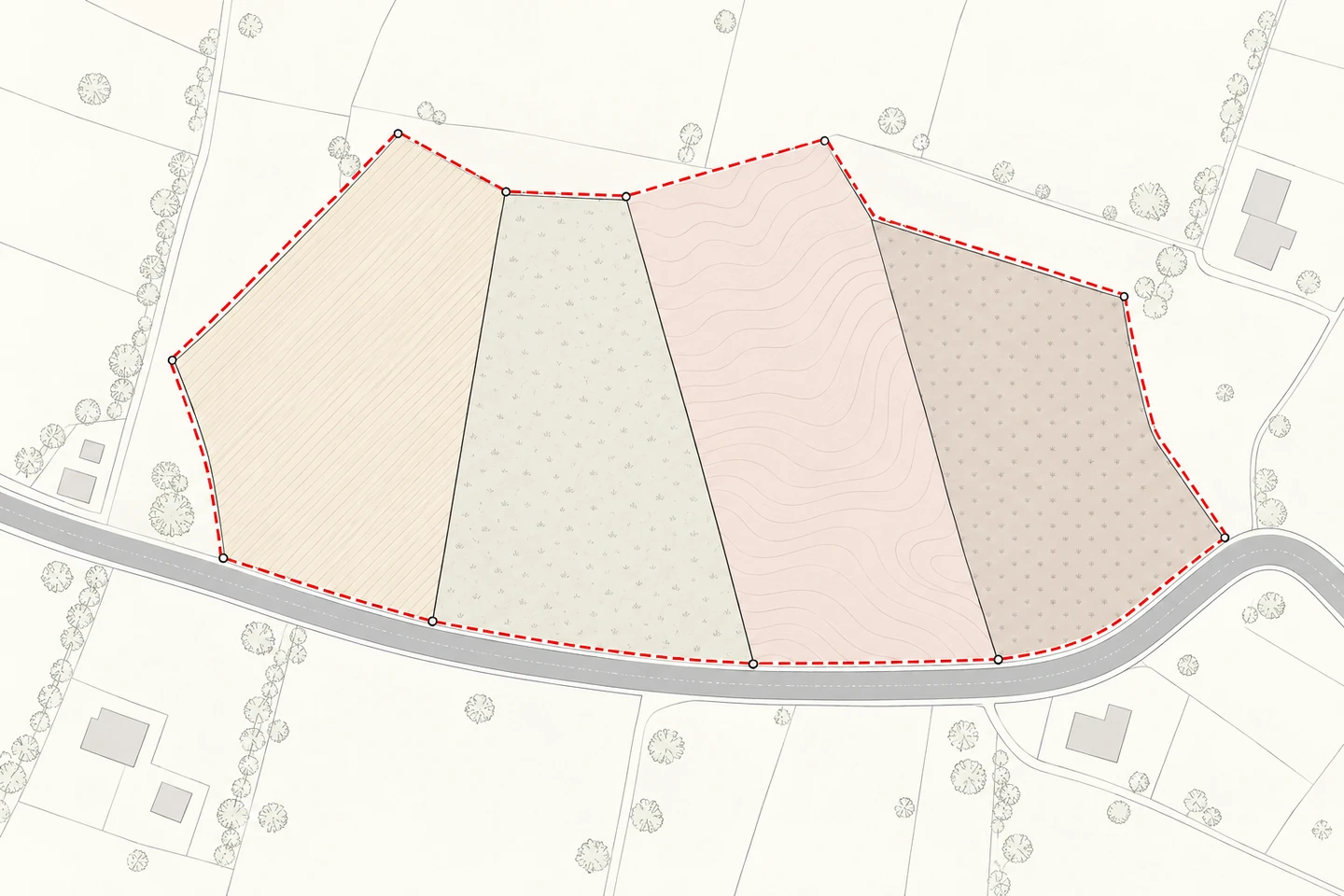
A larger site may involve several parcels and owners. Work through contiguity, access, owner expectations and coordinated negotiations, including consensual alternatives where appropriate.
Target location and extent, parcels already identified and any known access or ownership questions.
Discuss the land requirement alongside your development capability and proposed contribution. Explore counterpart fit, responsibilities and commercial expectations before progressing a JV/JD proposal.
Project intent, development capability, contribution and expectations of the landowner.
A few records or a site visit rarely tell the whole story. Connect the information with what you intend to do.
01
The land on the ground
Look at access, frontage and surroundings, including drains, water bodies, railway proximity and high-tension lines that may affect the intended use.
02
The story in the records
Trace the available ownership background, identify missing records and examine discrepancies between documents and the site.
03
Commercial fit, early
Consider land cost, intended development and market demand together before substantial time goes into progressing an opportunity.
04
The right professional review
Bring preliminary findings together and coordinate documents and responses with the appointed legal advisers. Formal legal opinions remain with those advisers.
From parcel to project
Keep the development in view.
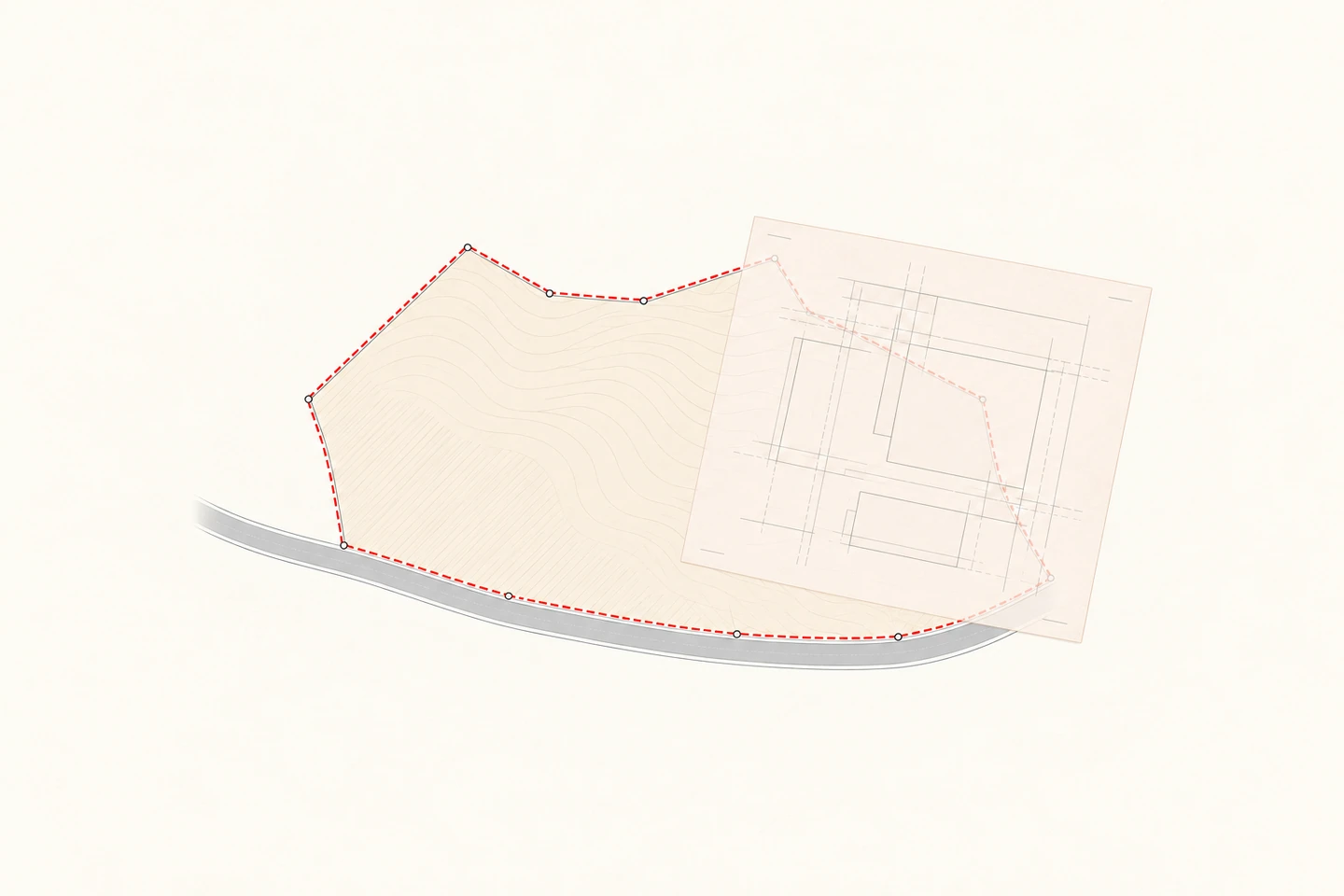
Planning information, the proposed development form and demand need to be considered together. NB can coordinate relevant documentation and professional discussions within an agreed scope.
Planning context
Identify the zoning, conversion and planning information requiring further assessment.
Market and phasing
Consider the intended product, demand and practical phasing. A development format is a decision to assess, not a fixed formula.
Continuity of coordination
Bring relevant participants and professionals into the next steps as the scope progresses.
How NB helps
Good decisions start with groundwork.
The work follows your requirement. Agree the relevant scope before progressing.
Clarify the objective, location, scale and what each participant wants to achieve.
02
Test the fit early
Connect physical site conditions with commercial assumptions and intended development.
03
Build the information
Gather available records, trace missing departmental documents and prepare a preliminary synopsis of findings and open questions.
04
Coordinate the review
Work with the appointed advocate and relevant professionals on the documents and questions requiring specialist attention.
05
Bring the parties together
Support negotiations, parcel assembly or partnership discussions around clearly understood expectations.
06
Progress the agreed next steps
Coordinate relevant transaction, planning or development work within the scope agreed for the opportunity.
A useful first conversation
Start with what you know.
You do not need every answer to begin. Share the information available and the questions you want to work through.
Proposed development and preferred locations
Approximate extent and access requirements
Buy, aggregate or JV/JD intent
Your capability, proposed contribution and commercial context
Before you begin
Your questions, considered.
Can NB work on multiple-owner aggregation?
Aggregation can involve identifying adjoining parcels, understanding owner expectations and coordinating negotiations. The workable approach depends on the actual parcels, access and participating owners.
When do commercial assumptions enter the process?
At the beginning. Land cost, the intended product and market context should be considered early, before significant time and expense go into progressing an opportunity.
Can NB coordinate planning and approval work?
Relevant documentation and professional coordination can form part of an agreed scope. The required permissions, decisions and timelines depend on the specific land, proposal and authorities.
Your next meaningful conversation
Connect development intent with land that deserves closer assessment.
Discuss your requirement with Manjesh S Rao, founder. Bring your perspective and the questions you want to explore.